

A home insurance policy exclusions list defines the specific perils, damages, and situations your standard homeowners policy will not pay for, making it the most critical section to read before you ever file a claim. Standard HO-3 policies exclude 14 main categories, with flood, earthquake, sewer backup, mold, and earth movement causing the majority of claim denials. Most homeowners focus on their coverage limits and miss the exclusions entirely. That gap in understanding is exactly where financial surprises happen. Knowing what your policy excludes puts you in control of your coverage before a loss occurs.
What is a home insurance policy exclusion?
An insurance exclusion is a specific condition, peril, or type of damage that your policy explicitly removes from coverage. Exclusions define zero-payment situations for the insurer. They are not hidden loopholes. They are deliberate actuarial boundaries that keep your premium affordable by removing frequent, predictable losses from the risk pool.
Understanding the difference between exclusions, limits, and deductibles matters enormously. Exclusions negate coverage entirely, while limits cap how much the insurer pays and deductibles set your cost-sharing amount. If a loss triggers an exclusion, no payment occurs regardless of your coverage limit.
Exclusions are not fine print designed to trap you. They exist because covering every predictable loss would make insurance unaffordable for everyone. The insurer cannot pool risk effectively when losses are certain or routine.
Common broad exclusions across most HO-3 policies fall into these categories:
- Gradual or preventable damage (wear and tear, neglect)
- Catastrophic government-defined events (flood, earthquake, war)
- Losses covered by other specialized policies (flood insurance, auto insurance)
- Intentional acts by the insured
14 common home insurance exclusions every homeowner should know
1. Flood and surface water damage
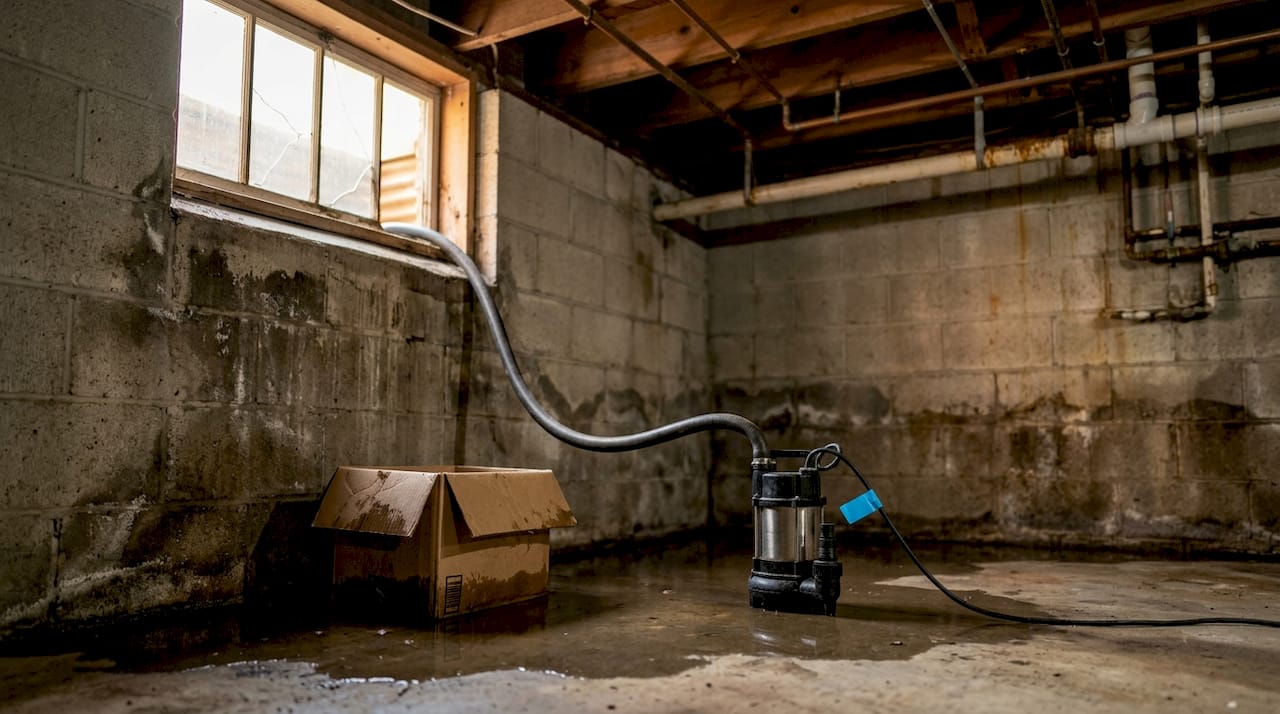
Flood damage is excluded from every standard homeowners policy. Coverage requires a separate flood insurance policy, available through the National Flood Insurance Program (NFIP) or private carriers. A critical fact: 25% of flood claims come from outside high-risk flood zones. That means even homeowners who believe they are safe face real flood exposure.
2. Earthquake and earth movement
Earthquakes, landslides, sinkholes, and soil settlement are all excluded under the earth movement category. This exclusion applies even when the movement is triggered by a covered event nearby. Separate earthquake endorsements or standalone policies fill this gap in states with seismic activity.
3. Sewer and drain backup
Water that backs up through a sewer line or drain is not covered under a standard policy. This is one of the most common and costly surprises homeowners face. Sewer backup endorsements typically cost $50–$150 annually and provide $5,000–$10,000 in coverage, making them one of the most affordable fixes for a serious gap.
4. Mold and fungus
Mold is excluded when it results from a long-term moisture problem or maintenance failure. If a slow leak goes unaddressed for weeks and mold develops, your insurer will likely deny the claim. Mold coverage is available as an endorsement, though limits are often capped and conditions apply.
5. Ordinance or law (building code upgrades)
When your home is damaged and local building codes require upgrades during repair, standard policies do not pay for those upgrades. For example, if a fire damages your older electrical system and code now requires a full panel replacement, that extra cost falls on you. Ordinance or law coverage is an endorsement that addresses this directly.
6. Wear and tear, maintenance, and neglect
Damage that results from gradual deterioration or deferred maintenance is excluded. A roof that fails after years of ignored repairs is a maintenance issue, not a covered peril. This exclusion reinforces why home maintenance directly affects coverage. Insurers expect homeowners to maintain their property.
7. Pest infestation
Termite damage, rodent damage, and other pest-related losses are excluded because they are considered preventable. Average termite damage costs about $3,000 per home. That is a significant out-of-pocket expense with no insurance relief. Regular pest inspections and treatment are the only protection here.
Pro Tip: Schedule an annual pest inspection every spring. Catching an infestation early costs far less than repairing structural damage that your policy will not cover.
8. War, terrorism, and nuclear hazard
Losses caused by war, military action, nuclear contamination, or government-ordered destruction are universally excluded. These events represent catastrophic, uninsurable risk that no standard premium structure can absorb. Specialized government programs exist for some terrorism-related losses, but standard home policies provide nothing.
9. Intentional damage and criminal acts
If you or a household member intentionally causes damage, your policy will not pay. This exclusion also applies to losses arising from criminal activity by the insured. Insurers investigate suspicious claims, and intentional loss is grounds for both denial and policy cancellation.
10. Business activities in the home
Running a business from your home creates liability and property exposures that a standard homeowners policy does not cover. A client who trips in your home office, or business equipment damaged in a fire, falls outside residential coverage. A home-based business endorsement or a separate business owner’s policy (BOP) addresses this gap.
11. Vehicles, watercraft, and aircraft
Damage to or caused by motor vehicles, boats, and aircraft is excluded from homeowners coverage. These assets carry their own insurance requirements. A car that rolls into your garage wall is a claim for your auto policy, not your home policy.
12. Power failure when off-premises
If a utility company outage causes your food to spoil or your sump pump to fail, the resulting damage is typically excluded. On-premises power failure caused by a covered peril may be covered, but off-premises utility failure is not. Equipment breakdown endorsements can cover some of these losses.
13. Foundation and underground pipes
Gradual foundation settling, cracking, and underground pipe deterioration are excluded. Sudden, accidental pipe bursts may be covered, but slow leaks and aging infrastructure are not. This is a distinction worth understanding before you assume a plumbing problem is covered.
14. Smart-home and cyber losses
Standard policies do not cover losses from cyberattacks, data theft, or smart-home device failures. As more homes connect appliances, security systems, and thermostats to the internet, this gap grows. Cyber endorsements are now available from many carriers and worth considering for tech-heavy households.
Coverage gaps: How you can buy back protection for excluded perils
Endorsements costing $20–$200 per year provide targeted supplemental coverage for many common exclusions. The cost is modest compared to the financial exposure of an uncovered loss. Here is a practical overview of the most common options:
- Flood insurance: Purchase through the NFIP or a private carrier. Required by mortgage lenders in designated flood zones, but valuable everywhere given that a quarter of flood claims come from low-risk areas.
- Sewer backup endorsement: Costs $50–$150 annually. Covers water damage from backed-up drains and sewers up to policy limits.
- Earthquake endorsement: Available as a rider or standalone policy depending on your state. Especially relevant in California, the Pacific Northwest, and parts of the Midwest.
- Ordinance or law coverage: Covers the cost of bringing your home up to current building codes during a covered repair.
- Equipment breakdown coverage: Covers sudden mechanical or electrical failure of home systems including HVAC, appliances, and smart-home devices.
- Mold endorsement: Adds limited mold remediation coverage beyond what the base policy provides.
Pro Tip: Ask your agent to run through each endorsement option when you renew. A $75-per-year sewer backup rider can prevent a $15,000 out-of-pocket loss from a single drain failure.
You can explore common coverage gaps in detail to identify which endorsements make the most sense for your home and location.
| Endorsement | Typical Annual Cost | Typical Coverage Limit |
|---|---|---|
| Sewer backup | $50–$150 | $5,000–$10,000 |
| Flood (NFIP) | Varies by zone | Up to $250,000 structure |
| Ordinance or law | $20–$50 | 10%–50% of dwelling limit |
| Equipment breakdown | $25–$100 | Varies by carrier |
| Mold | $50–$150 | $5,000–$50,000 |
How to read your home insurance exclusions section
Most homeowners neglect the exclusions section of their policy, even though it is more important than the coverage limits page. Exclusions define when your insurer owes you nothing. Reading them first tells you whether the policy foundation actually fits your needs.
Your exclusions are typically found under “Section I — Exclusions” or “Perils Not Insured Against” in your policy document. Look for these sections before you review limits or premiums. The language there controls your claim outcome.
Exception-to-exclusion clauses are the most misunderstood part of any policy. A policy might say “water damage is excluded” but then carve back coverage for “sudden and accidental discharge from a plumbing system.” That exception restores coverage in a very specific scenario. Missing it means leaving money on the table.
Practical steps for reading your exclusions:
- Read every exclusion heading, then read the exceptions beneath it.
- Flag any exclusion that applies to a real risk at your property (flood zone, old plumbing, basement).
- Ask your agent to explain any language you do not understand before a claim occurs.
- Compare your exclusions list against your home’s specific features and location risks.
The guide to reading a homeowners policy from Mfandtna walks through exactly where to find these sections and what the language means in plain terms.
Key Takeaways
Understanding your home insurance exclusions is more important than knowing your coverage limits, because exclusions define the situations where your insurer pays nothing at all.
| Point | Details |
|---|---|
| Exclusions mean zero coverage | Unlike limits or deductibles, exclusions remove coverage entirely for specific perils. |
| Flood requires a separate policy | Standard HO-3 policies never cover flood, and 25% of flood claims come from low-risk zones. |
| Endorsements fill most gaps | Sewer backup, mold, and ordinance coverage cost $20–$200 per year and cover major risks. |
| Read exceptions within exclusions | Exception-to-exclusion clauses can restore coverage in specific scenarios most homeowners miss. |
| Maintenance failures are not covered | Pest damage, wear and tear, and neglect are excluded because they are considered preventable. |
Why I always tell homeowners to read exclusions before anything else
Most people call me asking about their coverage limits. They want to know if their home is insured for enough. That is the wrong starting question. The right question is: “What does my policy refuse to cover?”
I have seen homeowners with $500,000 in dwelling coverage get a $0 claim check because the loss triggered an exclusion. A finished basement flooded by a sewer backup. A foundation that cracked from soil settlement. A mold problem that developed from a slow leak the homeowner ignored. None of those were covered. The limits were irrelevant.
The key to a successful claim is avoiding an exclusion trigger while satisfying the coverage agreement. That means you need to know both sides of the equation before a loss happens, not after. Reading your exclusions once a year at renewal takes about 15 minutes and can save you tens of thousands of dollars in unpleasant surprises.
My honest advice: pull out your policy tonight and find the exclusions section. Read every heading. Flag anything that matches a real risk at your address. Then call your agent and ask what endorsements are available to cover those gaps. That one conversation is worth more than any amount of coverage limit shopping.
— Mike
Mfandtna helps you close the gaps in your home coverage
Understanding exclusions is the first step. Fixing them is the second. Mfandtna has spent over 30 years helping Massachusetts homeowners build policies that actually match their real-world risks, including the gaps that standard coverage leaves behind.
Whether you need a sewer backup endorsement, flood coverage, or a full policy review, Mfandtna makes the process straightforward. The team reviews your current homeowners insurance coverage and identifies where your policy may leave you exposed. Getting started is simple: request a free home insurance quote and let an experienced agent walk you through your options. No pressure, just clear answers and coverage that fits your home.
FAQ
What is an insurance exclusion in a home policy?
An insurance exclusion is a specific peril or situation that your policy explicitly does not cover. If a loss triggers an exclusion, your insurer owes no payment regardless of your coverage limit.
Does standard home insurance cover flood damage?
No. Flood damage is excluded from every standard HO-3 homeowners policy. You must purchase a separate flood insurance policy through the NFIP or a private carrier.
How do I find the exclusions in my home insurance policy?
Look for “Section I — Exclusions” or “Perils Not Insured Against” in your policy document. This section lists every peril and situation your policy will not pay for.
Can I add coverage for excluded perils?
Yes. Endorsements and riders can restore coverage for many common exclusions, including sewer backup, mold, ordinance or law, and equipment breakdown, typically for $20–$200 per year.
What is the difference between an exclusion and a coverage limit?
An exclusion removes coverage entirely for a specific peril, meaning the insurer pays nothing. A coverage limit caps the maximum payout but still applies when the loss is covered.