
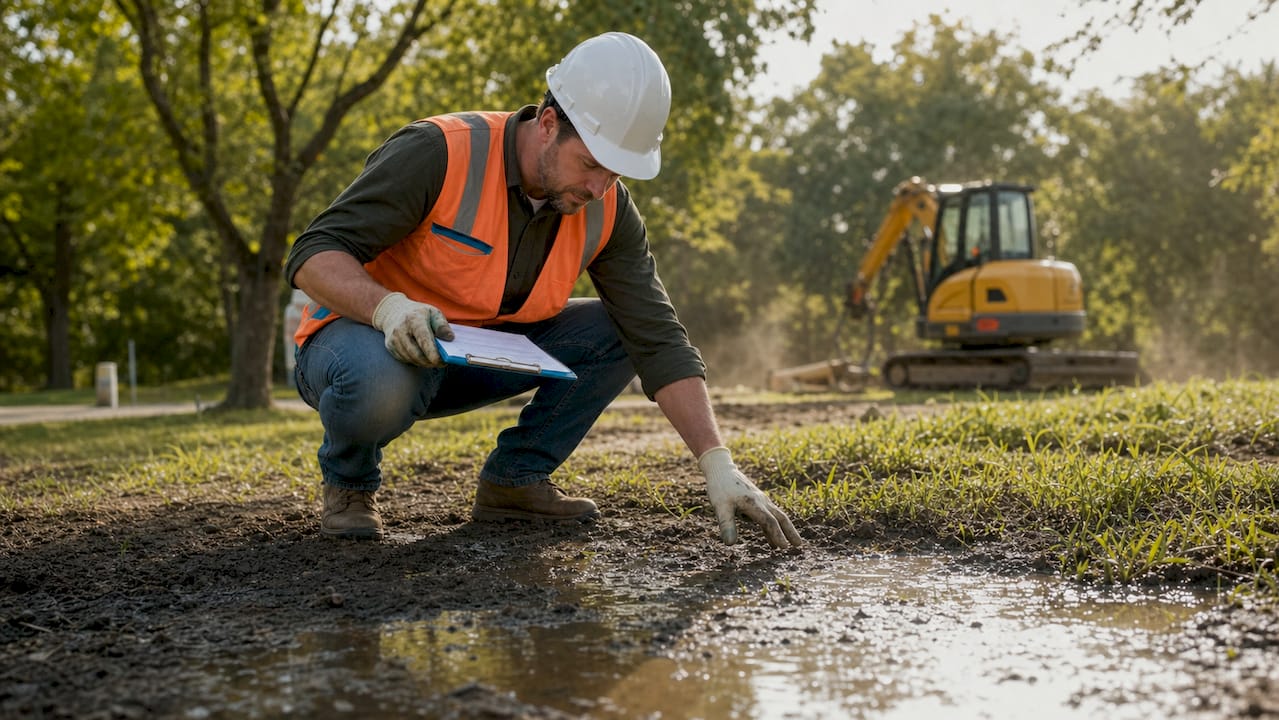
Construction projects carry pollution risks that most standard general liability policies simply don’t cover. The two most important types of pollution liability coverage in construction are Contractors Pollution Liability (CPL) and Pollution Legal Liability (PLL). CPL protects contractors from pollution claims arising out of their jobsite operations, materials, and transportation. PLL protects property owners and operators from pollution conditions tied to owned or leased locations, including pre-existing contamination.
Here’s a quick breakdown of what each policy typically covers:
- CPL covers: Third-party bodily injury, property damage, cleanup costs, legal defense, emergency response, microbial matter (mold, Legionella), transportation pollution, and non-owned disposal site liability
- PLL covers: Third-party bodily injury, property damage, cleanup costs, and defense costs from pollution events at scheduled owned or leased locations, including gradual and existing conditions
- Key difference: CPL follows the contractor and their operations; PLL follows the property
Both policies fill gaps that standard general liability policies leave wide open, particularly for gradual pollution and microbial contamination.
How CPL and PLL differ from each other
Understanding where CPL ends and PLL begins helps you avoid buying the wrong policy or, worse, buying neither.

Contractors Pollution Liability (CPL) is built around operations. It covers pollution from contracting work at a jobsite, waste and materials generated during that work, and pollution events during transportation. The insured party is the contractor, and coverage can extend to subcontractors working on their behalf. CPL is available on either an occurrence or claims-made basis, and deductibles tend to be modest.
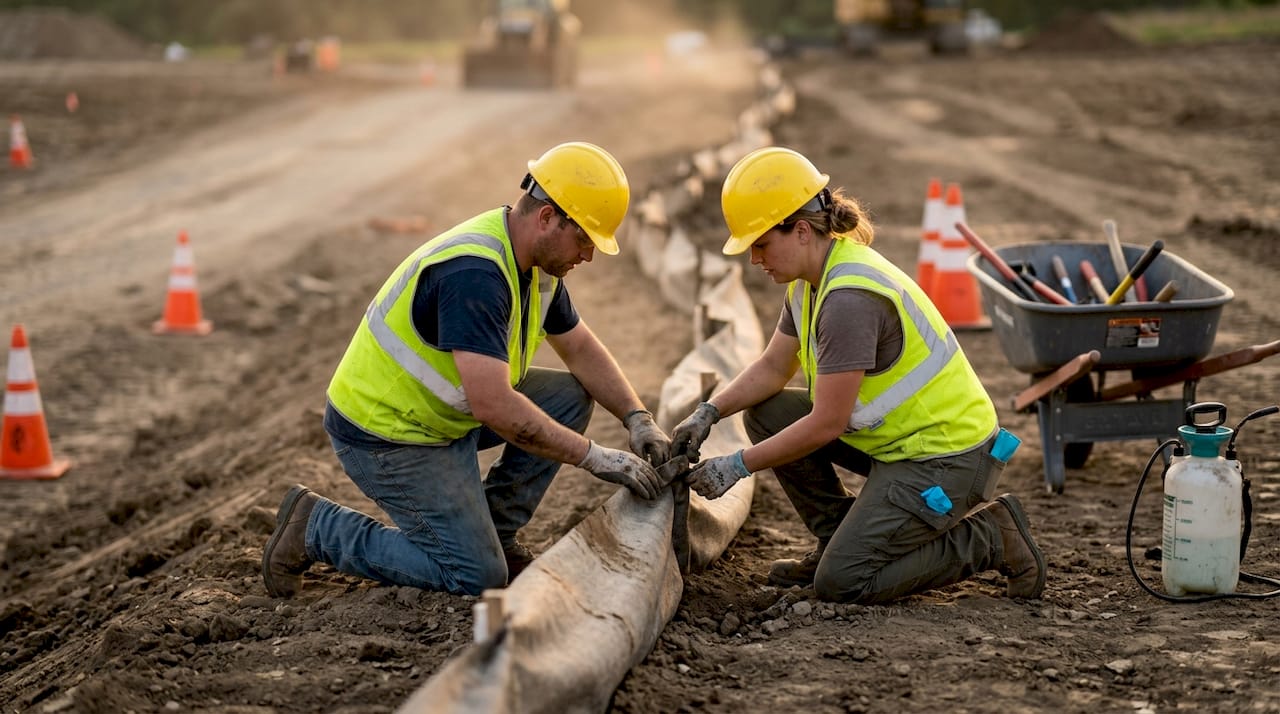
Pollution Legal Liability (PLL) is built around location. It covers pollution conditions originating from a scheduled property the named insured owns or leases, whether those conditions are new, gradual, or pre-existing. Property owners, real estate developers, and businesses that acquire or divest real estate are the primary buyers. PLL can be tailored for both on-site and off-site exposures.
Key distinctions at a glance:
- Insured party: CPL insures contractors; PLL insures property owners and operators
- Coverage trigger: CPL responds to pollution from operations; PLL responds to pollution from a scheduled location
- Existing conditions: PLL explicitly covers pre-existing and gradual pollution; CPL focuses on conditions arising from active work
- Policy basis: Both can be written on occurrence or claims-made forms, though claims-made is more common for environmental policies
- Transportation: CPL includes transportation pollution coverage for hazardous materials moved from jobsites; PLL typically does not
- Subcontractor work: CPL can cover pollution caused by subcontractors on the contractor’s behalf; PLL does not extend to contractor operations
If you’re a general contractor, CPL is your primary tool. If you own the property and want protection regardless of who caused the contamination, PLL fills that role. Many complex projects warrant both.
What key features and add-ons should you look for?
Pollution liability policies are not one-size-fits-all. The base coverage matters, but the endorsements and supplemental features often determine whether a claim actually gets paid.
Standard features in most CPL policies include:
- Jobsite pollution liability for losses from covered contracting services
- Emergency remediation expenses to address a pollution condition before formal notice is given
- Transportation pollution coverage for spills or releases during loading, transit, or unloading
- Non-owned disposal site (NODS) liability for waste generated at a jobsite
- Microbial matter coverage including mold, mildew, bacteria, and Legionella pneumophila
- Legal defense costs, sometimes outside the policy limits
Optional endorsements and add-ons worth evaluating:
- Scheduled underground storage tank coverage, including financial responsibility requirements
- Green building materials restoration costs
- Builders soft cost and business interruption coverage
- Protective pollution indemnity for subcontractor insurance gaps
- Project-specific increased limits for large or complex jobs
Common exclusions to watch for:
- Intentional discharge of pollutants
- Known pre-existing conditions not scheduled on the policy (for CPL)
- Pollution from products after they leave the contractor’s control (unless a products-pollution endorsement is added)
- Nuclear, biological, or chemical warfare events
Project-specific CPL policies can span up to 17 years, covering both the construction phase and completed operations. That long tail matters for projects where contamination may not surface until years after work is finished.
Pro Tip: Read the definition of “pollutant” in any policy you’re considering. Some policies define it narrowly, which can exclude common construction substances like silica dust, diesel exhaust, or concrete washout. A broader definition protects you from disputes at claim time.
How do you manage pollution risks before a claim happens?
Insurance pays after a loss. Good risk management reduces the chance of a loss in the first place, and it also keeps your premiums lower over time.
Common pollution exposures on construction sites include:
- Surface water contamination from excavation and sediment runoff
- Asbestos disturbance during demolition or renovation of older structures
- Jobsite chemical spills from fuels, solvents, and coatings
- HVAC construction errors that allow mold or bacteria to spread through ductwork
- Hazardous material spills during transport, including collisions and fuel tank leaks
Practical steps to reduce your exposure:
- Require all subcontractors to carry their own CPL coverage and name you as an additional insured
- Conduct a pre-construction environmental site assessment, especially on brownfield or previously industrial sites
- Establish written jobsite environmental protocols covering spill response, waste disposal, and material storage
- Schedule regular environmental compliance checks during long projects
- Document all incidents immediately, no matter how minor they appear
Prompt incident documentation is one of the most overlooked parts of pollution risk management. Most CPL and PLL policies require timely notice of a potential claim, and delays can jeopardize coverage. Train your site supervisors to report any pollution event to your insurance contact the same day it occurs.
What does an experienced insurance agency recommend?
Standard general liability policies frequently exclude gradual pollution and microbial matter entirely. That gap is not a technicality. A single mold remediation claim or a fuel spill that reaches a neighboring property can generate costs that exceed what most contractors carry in reserves.
Insurance industry experts note that contractors often overlook pollution risks until a claim occurs, at which point the financial exposure can be severe. CPL coverage exists precisely to protect your balance sheet from those high-severity events.
What Mfandtna recommends when evaluating pollution liability policies:
- Match the policy trigger (occurrence vs. claims-made) to your project timeline and how long completed-operations exposure lasts
- Confirm that microbial matter, including mold and Legionella, is explicitly covered, not just implied
- For projects involving older buildings, verify that asbestos and lead disturbance are not excluded
- Negotiate defense costs outside the limits when possible, so legal fees don’t erode your indemnity coverage
- Review the policy’s definition of “covered operations” to confirm it matches your actual scope of work
- Ask about pollution liability coverage options that bundle CPL with professional liability for design-build contractors
Coverage note: CPL minimum premiums can start as low as $2,500, depending on risk profile and underwriting guidelines as of 2026. Larger projects, higher limits, or complex risk profiles will push that figure up, but the baseline cost is often far lower than contractors expect.
Mfandtna works with contractors across multiple states to find policies that fit the actual scope of work, not just a generic contractor class. With over 30 years of experience placing commercial coverage, the team understands how to read policy language and spot gaps before they become claims.
How does the claims process work for pollution liability?
Filing a pollution liability claim correctly is as important as having the coverage. A misstep in the process can delay payment or reduce what you recover.
The typical claims sequence looks like this:
- Identify and contain the incident. Stop the source of contamination if safe to do so. Activate your emergency response plan.
- Notify your insurer promptly. Most policies require notice “as soon as practicable.” For claims-made policies, late notice can void coverage entirely.
- Document everything. Photographs, site logs, witness statements, and lab results all support your claim. Start collecting from the moment the incident is discovered.
- Engage approved remediation contractors. Many insurers require pre-approval before you hire environmental consultants or cleanup crews. Using unapproved vendors can result in cost disputes.
- Cooperate with the insurer’s investigation. Provide requested records, allow site access, and respond to information requests promptly.
- Track all costs separately. Keep cleanup costs, legal defense costs, and third-party claims in separate accounts for clean reporting.
Some CPL policies include pre-claims assistance, which lets you consult with the insurer before formally filing. That option is worth using when you’re unsure whether an incident rises to the level of a covered claim.
What regulations govern pollution liability in construction?
Federal and state environmental law creates the legal backdrop that makes pollution liability insurance necessary, not optional.
The EPA’s Superfund liability framework under CERCLA (the Comprehensive Environmental Response, Compensation, and Liability Act) holds parties strictly liable for cleanup costs at contaminated sites, regardless of fault. That means a contractor who disturbs pre-existing contamination during excavation can face cleanup liability even if they didn’t create the original problem.
Key regulatory obligations for construction contractors include:
- CERCLA/Superfund: Strict, joint, and several liability for releases of hazardous substances, including cleanup costs and natural resource damages
- Clean Water Act: Stormwater permits (NPDES) required for construction sites disturbing one or more acres; violations carry civil penalties
- OSHA Hazard Communication Standard: Requires proper labeling, safety data sheets, and worker training for hazardous chemicals on site
- State environmental agencies: Most states have their own cleanup programs with notification requirements that can trigger faster than federal rules
- AIA contract documents: Standard AIA construction contracts often require contractors to carry pollution liability coverage as a condition of the contract
Many project owners and general contractors now require CPL as a contract condition, not just a risk management preference. If you’re bidding on public infrastructure, commercial development, or any project involving environmental remediation, expect to show proof of pollution liability coverage before work begins.
Real-world examples of pollution liability claims in construction
Seeing how claims actually play out makes the coverage much easier to understand.
Fuel spill during excavation: A grading contractor punctures an unmarked underground fuel tank during site preparation. Diesel contaminates the soil and reaches a neighboring property’s groundwater. The CPL policy responds to third-party property damage, cleanup costs at both the jobsite and the neighboring parcel, and legal defense when the neighbor files suit.
Mold release from HVAC work: A mechanical contractor installs ductwork in a commercial building without properly sealing sections during construction. Moisture accumulates, mold grows, and building occupants report respiratory symptoms after move-in. The CPL policy’s microbial matter coverage responds to the bodily injury claims and the cost of duct remediation.
Asbestos disturbance during renovation: A general contractor demolishes interior walls in a 1960s office building without conducting a full asbestos survey first. Friable asbestos fibers are released, requiring a full abatement and triggering OSHA and state environmental agency notifications. CPL covers the cleanup costs and third-party bodily injury claims from workers in adjacent spaces.
Pre-existing contamination discovered at acquisition: A real estate developer purchases an industrial property and later discovers chlorinated solvents in the soil from a prior tenant. PLL, purchased at acquisition, covers the cleanup costs and any third-party claims from neighboring properties affected by the migrating plume.
These scenarios share a common thread: the losses were real, the costs were high, and standard general liability would not have responded. Pairing the right builders risk coverage with a dedicated pollution liability policy gives construction projects the layered protection they actually need.
Get the right pollution liability coverage for your project
Mfandtna helps contractors, project managers, and property owners find pollution liability policies that match their actual risk, not just their contractor class code. Whether you need a blanket CPL policy for ongoing operations or a project-specific policy for a complex remediation job, the team at Mfandtna can walk you through your options and help you compare coverage terms side by side.
Get a free quote and let Mfandtna’s experienced team build a coverage package that protects your business, your projects, and your balance sheet.
Key Takeaways
CPL and PLL are the two foundational pollution liability policies for construction, and choosing the right one depends on whether you’re protecting operations, a property, or both.
| Point | Details |
|---|---|
| CPL follows the contractor | Covers pollution from jobsite operations, transportation, and subcontractor work on your behalf. |
| PLL follows the property | Covers pollution conditions at owned or leased locations, including pre-existing and gradual contamination. |
| GL policies leave gaps | Standard general liability policies typically exclude gradual pollution and microbial matter, making dedicated coverage necessary. |
| Minimum premiums start low | CPL minimum premiums can start as low as $2,500 (as of 2026) depending on risk profile and underwriting guidelines. |
| Prompt notice protects claims | Late notification to your insurer, especially under claims-made policies, can void coverage for an otherwise valid claim. |